Por qué los importadores en Sudáfrica compran a Kehkashan
Buyers in Sudáfrica use Kehkashan because one purchase order covers 35 plus origins under a single Incoterm out of Jebel Ali. Documents are issued in EN, settled in USD or EUR, and structured against LC at sight, TT, DP.
Principales productos importados a Sudáfrica
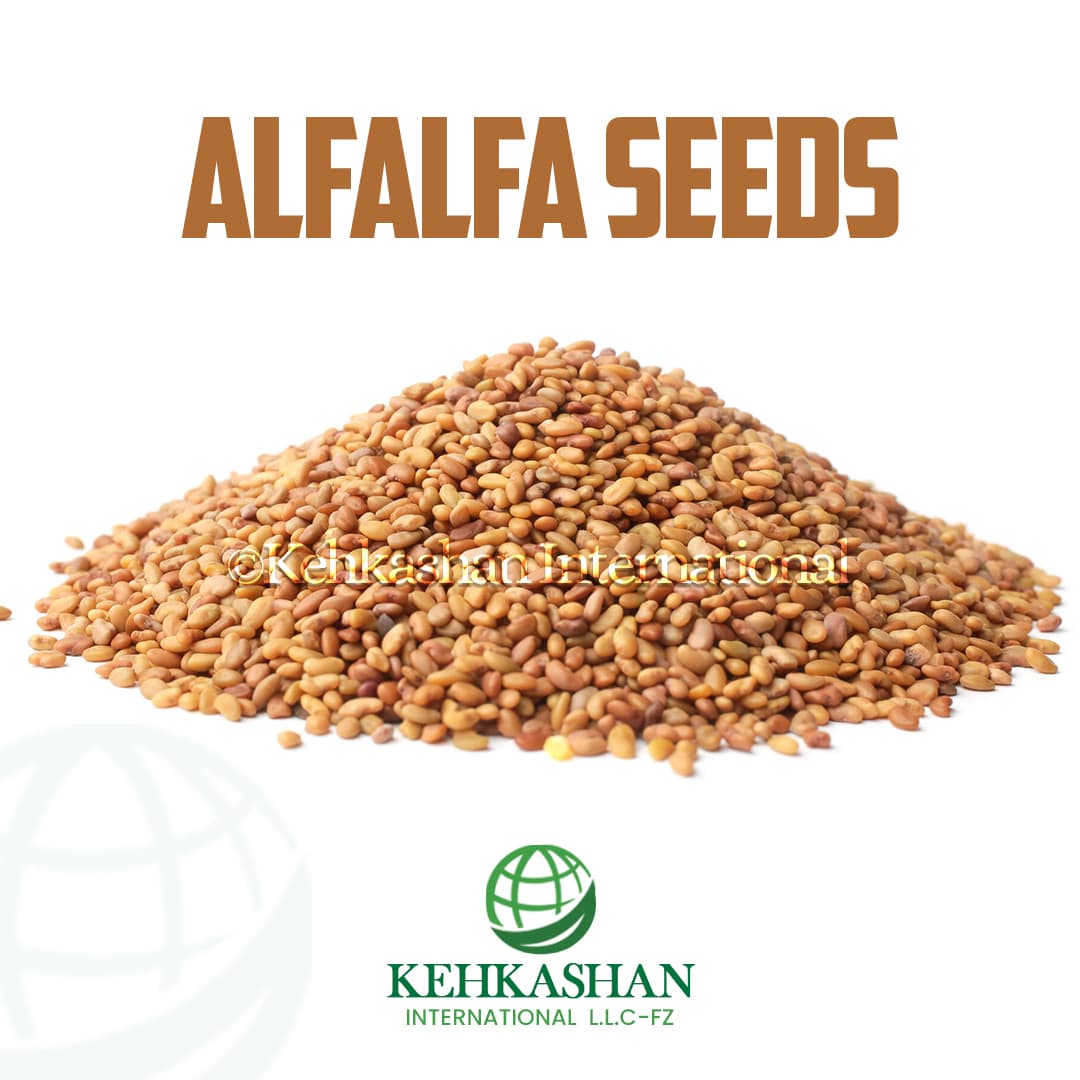
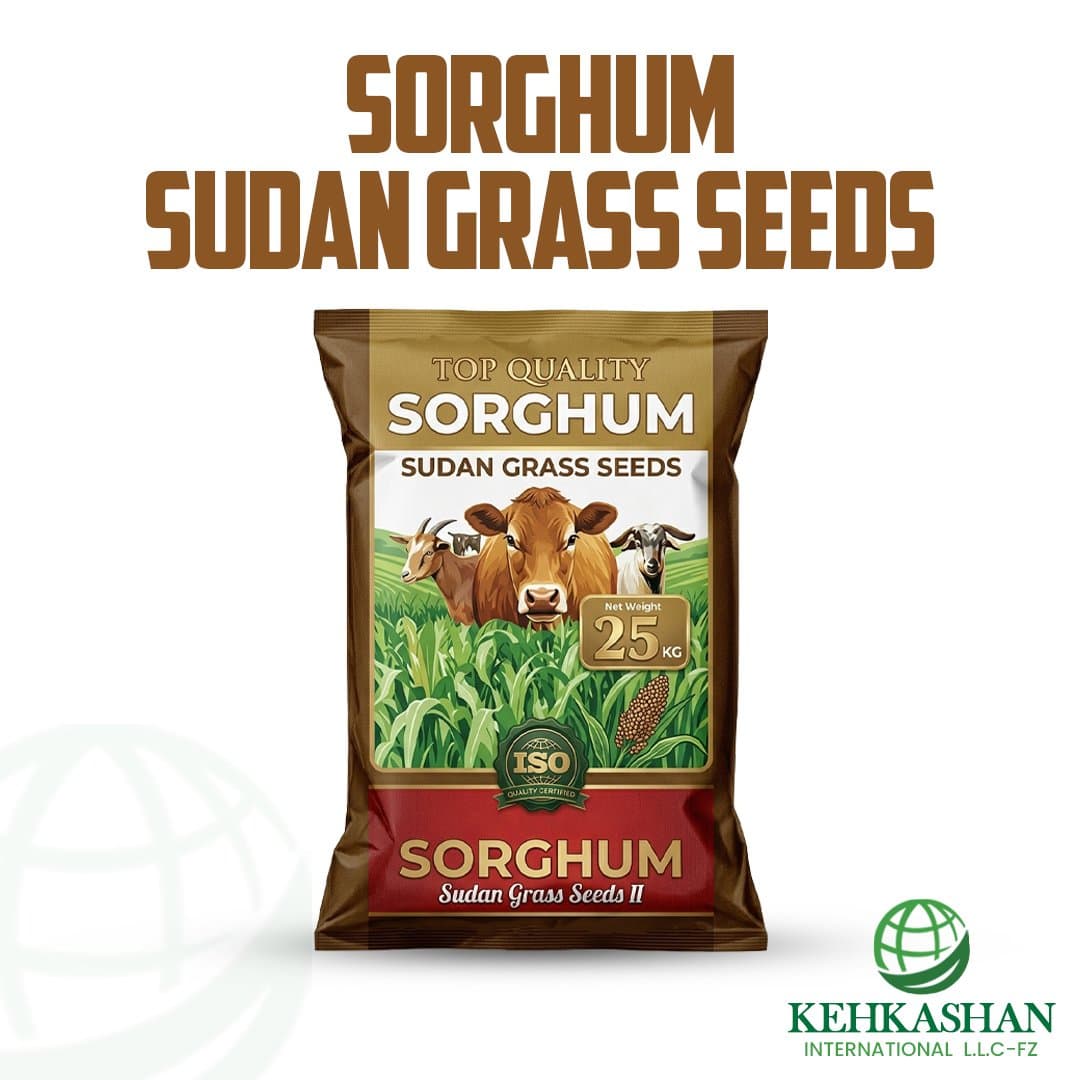
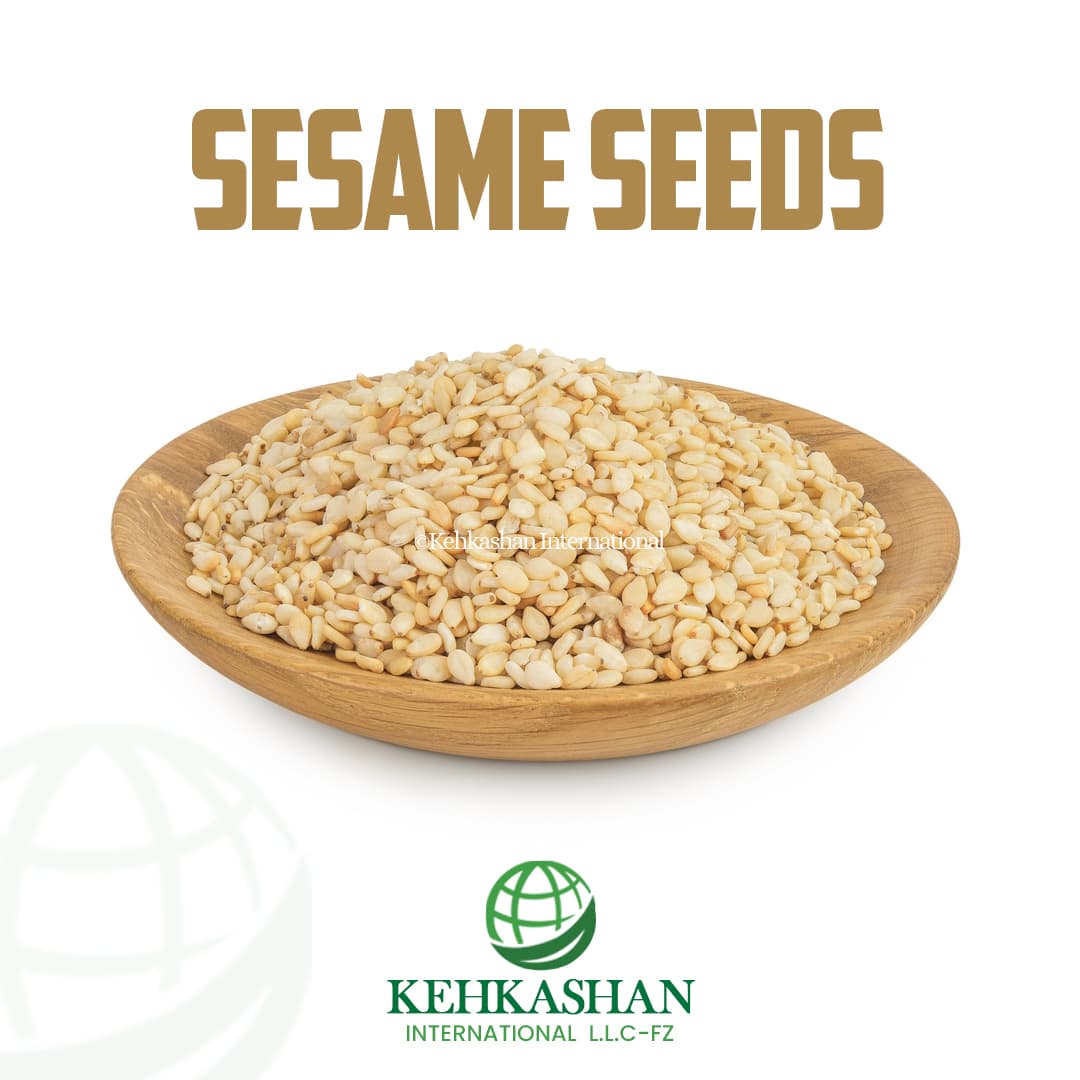
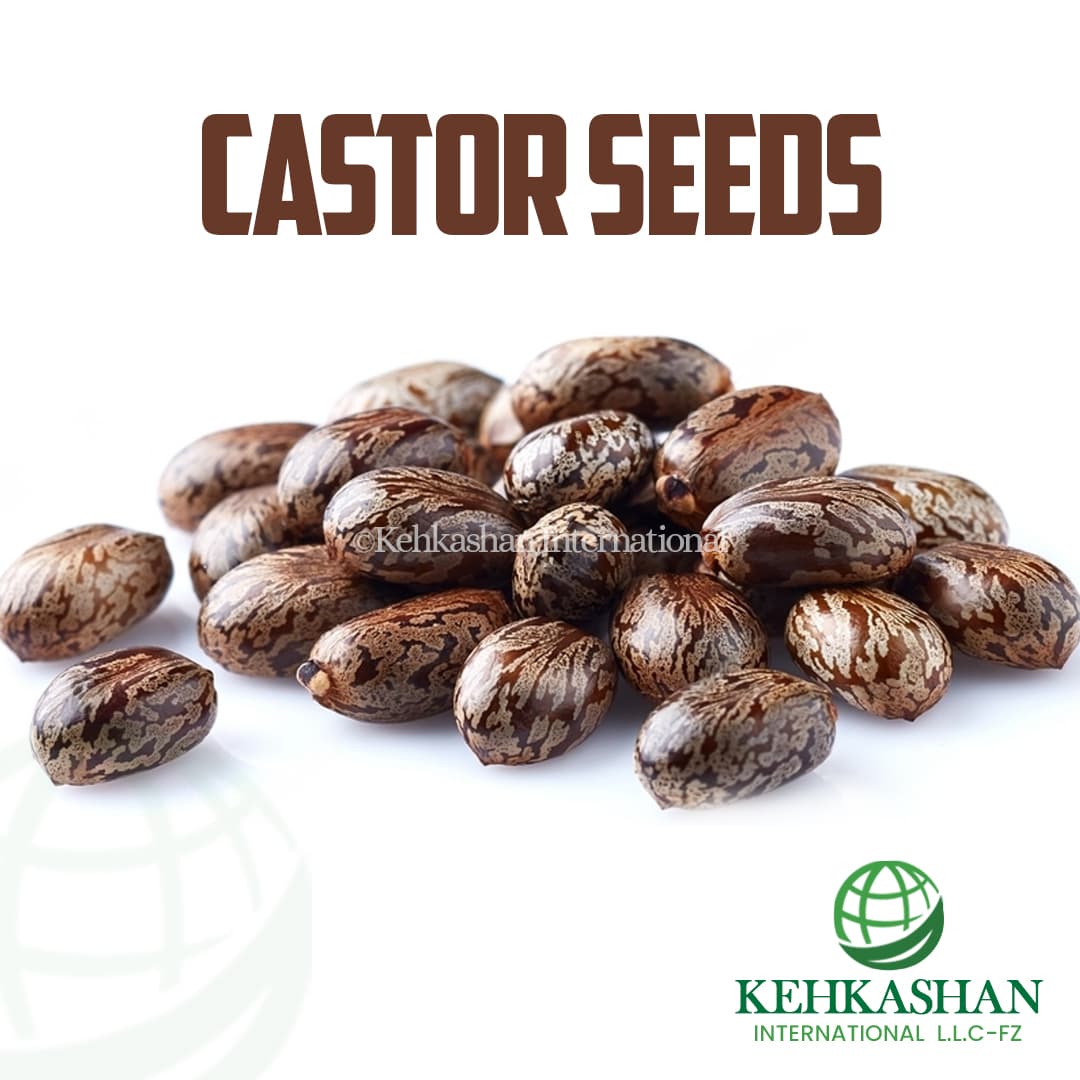
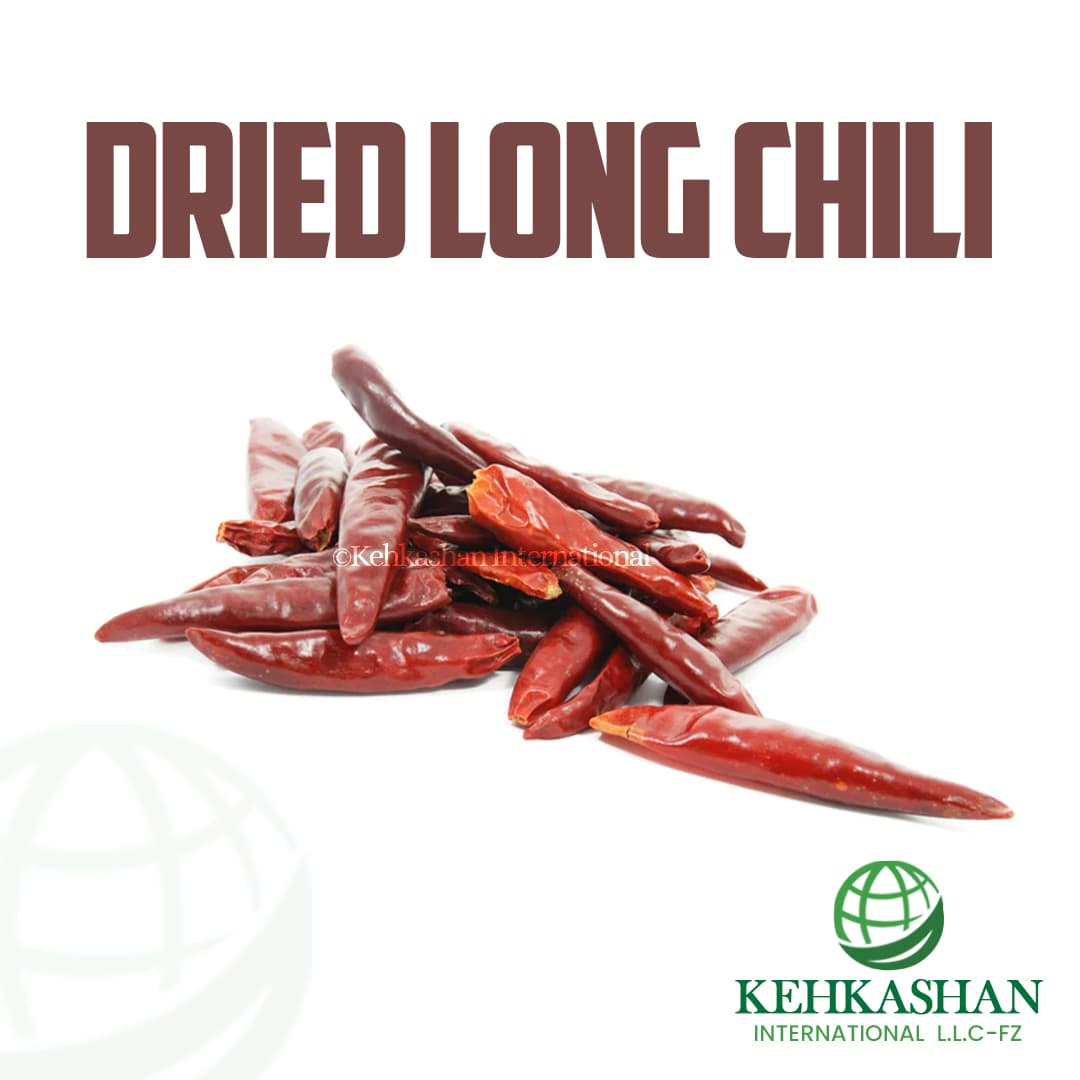
The high-relevance mix into Sudáfrica is led by Semillas de alfalfa, Semillas de sorgo-sudán, Semillas de sésamo (ajonjolí). Variety codes such as AmeriStand alfalfa, Mescavi berseem, Teja S17 chilli and GCH-7 castor are surfaced on the matching product page so buyers can self-select pricing tier on the first RFQ.
Logística desde Jebel Ali a Port of Durban
From FOB Jebel Ali to Port of Durban, ocean transit runs 18 to 25 days. Where consolidation is required we route trans-shipment via Cape Town Port and Port Elizabeth (Gqeberha). Containers ship as 20 foot or 40 foot full container loads, with less-than-container options available for trial volumes under 25 metric tonnes.
Condiciones de pago y financiamiento comercial para compradores en Sudáfrica
Importers in Sudáfrica settle through LC at sight, TT, DP in USD or EUR. Letters of credit are opened against our UAE Free Zone account and screened against UN, EU, US and UK sanctions lists before confirmation. Repeat buyers move to TT advance once two containers clear without deviation.
Documentación y cumplimiento para importaciones a Sudáfrica
Every shipment to Sudáfrica clears against DALRRD (Department of Agriculture, Land Reform and Rural Development). Compliance documents required on the lane are SABS conformity, DALRRD plant import permit. The standard export pack is the bill of lading, commercial invoice, packing list, Certificate of Origin from the Dubai Chamber, ISTA Certificate of Analysis and a phytosanitary certificate.
Cómo empezar: de la RFQ al primer FCL
Send an RFQ with product, variety preference, target volume and discharge port. Within 24 hours we return origin options, indicative pricing landed at Port of Durban, a draft Certificate of Analysis and a couriered sample plan. On approval we open the proforma invoice and confirm production lead time.
Mix de abastecimiento y certificación de origen para Sudáfrica
Origins we draw from for the Sudáfrica lane include USA, Australia, Argentina. Each origin ships with its own ISTA-format Certificate of Analysis and where applicable an OECD seed-scheme tag. Buyers can split a single 20 foot container load across two or three origins to compare specs in one PO.
Protocolo de muestreo para compradores en Sudáfrica
Sample-first is the default policy. We courier a one to two kilogram sample per origin with a draft COA so the buyer in Sudáfrica can run lab confirmation or visual inspection before any PO. Sample fees credit against the first full container load on acceptance.
Diferencias entre Incoterms: FOB, CFR, CIF y DAP para Sudáfrica
We quote CFR, CIF, FOB on the same RFQ so buyers can compare landed cost per term. The FOB-to-CFR delta covers ocean freight only. CFR-to-CIF adds marine insurance at roughly 0.15 percent of invoice plus 10 percent. DAP Port of Durban adds destination handling and inland trucking.
Puertos principales y alternativos para Sudáfrica
Port of Durban is the primary discharge for Sudáfrica. Cape Town Port carries the fallback rotation for berthing-window conflicts or schedule slips. Both are on weekly direct-call sailings out of Jebel Ali. Buyers requesting Friday arrival align with our Tuesday-cut booking window.
Consolidación multiorigen en un solo PO para Sudáfrica
A single PO can stack multiple origins into one Jebel Ali consolidation. For a dairy buyer in Sudáfrica this means USA-origin Semillas de alfalfa alongside Argentinian backup, both inspected pre-vessel by our supervisor and documented under the same bill of lading. One Incoterm. One arrival.
Disputas de COA y política de reposición para lotes de Sudáfrica
If destination lab results report germination below 90 percent or purity below 99 percent, we accept a counter-sample drawn under SGS or Bureau Veritas. Off-spec lots are replaced from a sister origin or refunded against the CFR or CIF terms. Every deviation is logged and re-cleaned before resale.